
Credit Card Processing: Easier.

Understanding Credit Card Processing
Understanding credit card processing can empower your business, and working with the right credit card processing company can make all the difference among credit card processing companies.
The Payment Network
When a customer makes a purchase, their payment data, including debit card payments and credit card transactions, is sent through the credit card processor to the payment network, which then requests authorization from the cardholder’s issuing bank. Payment.Software assures all your payments are handled with care.
Approving The Transactions
Once the issuing bank approves the transaction, the payment network sends this approval back to the processor, allowing the sale to be completed. The credit card processing service retains sales data and provides customer receipts after the transaction is approved. It’s a seamless process that happens in mere seconds, thanks to our sophisticated systems in place. Grasping this ecosystem enables you to make informed decisions about accepting credit card payments.

Benefits of Credit Card Processing for Small Businesses
Accepting Credit Cards
Accepting credit cards can be a game-changer for small businesses. One of the most significant benefits of accepting credit card payments is the potential to drive sales and boost customer satisfaction. Customers appreciate the convenience of paying with credit and debit cards, whether they’re shopping online or in person. This convenience can lead to higher average transaction amounts and attract impulse buyers who might otherwise hesitate.
Enhance Your Business
Enhance your business’s credibility and professionalism. When customers see that you offer multiple payment options, they are more likely to trust your business and feel comfortable making a purchase. Additionally, credit card payments can provide faster access to funds compared to checks, simplifying your accounting process and reducing the risks associated with handling large amounts of cash.
Simplify Your Accounting
Simplified accounting is another major advantage. Credit card transactions come with detailed records, making it easier to track sales and manage cash flow. This level of detail can help reduce the stress of managing finances and ensure that your business runs smoothly. In essence, credit card processing not only boosts your sales but also streamlines your operations, making it a win-win for small business owners.
Choosing the Right Payment Processor: Payment.Software
The selection of an appropriate payment processor is a vital decision impacting your business’s efficiency and profitability. Factors such as fees, reliability, and scalability should be at the forefront of your evaluation.
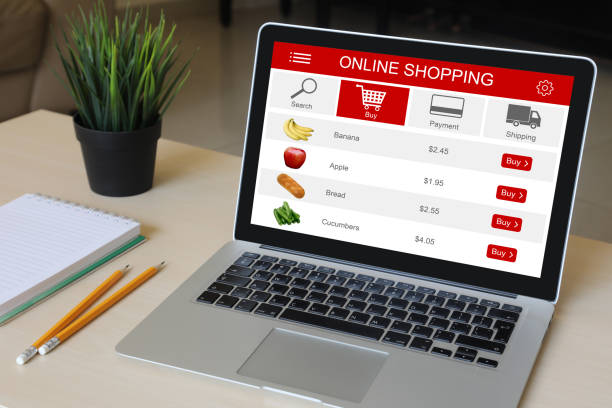
Here are some key considerations when choosing a payment processor:
- Fees: Reduced fees can considerably influence your profit margins, thus, gaining a comprehensive understanding of the fee structure, including potential hidden charges, is important.
- Reliability: Researching the reliability and reputation of the payment processor through reviews and testimonials from other businesses can provide valuable insights.
- Scalability: Ensure that the payment processor can handle your business’s growth and can accommodate increased transaction volumes.
By carefully evaluating these factors, you can make an informed decision and choose a payment processor that best suits your business needs.
Scalability is another important consideration. As your business grows, your payment processor should be able to handle increased transaction volumes without compromising performance. A reliable payment processor with excellent customer service can make a significant difference in your day-to-day operations, ensuring that any issues are resolved quickly and efficiently. Now, let’s delve into the different types of payment processors and the key features to look for. Call Payment.Software today and ask how we can get you started and build as your business builds.
Types of Payment Processors
When it comes to accepting credit card payments, there are two primary options to accept customer payments: merchant accounts and payment service providers. Merchant accounts offer tailored contracts with variable rates depending on the business type and transaction volume, making them suitable for businesses with high sales volumes. On the other hand, payment service providers may charge lower processing and transaction fees, which can be advantageous for smaller businesses or those with lower transaction volumes.
The choice between these two options depends largely on your business model and needs. Merchant accounts might be more suitable for businesses that require a high level of customization and support, while payment service providers are often easier to set up and use, with fewer long-term commitments. Evaluating these options will help you make an informed decision that aligns with your business goals. Speak to one of our experts today at Payment.Software and find out which option works best for you.

Key Features to Look For
When selecting a payment processor, several key features should be on your checklist.
Security & Integration Essentials
Security is paramount; ensure your processor meets PCI DSS standards and offers strong encryption and fraud prevention. Crucially, the solution must integrate seamlessly with your existing systems and eCommerce platforms to streamline all operations.
Responsive Customer Support
Access to strong customer support across various channels is vital. Having a reliable support system ensures that any transaction issues or technical problems are resolved quickly and efficiently, minimizing disruption to your business.
Transparent Fees and Reporting
Look for a processor that offers transparent fees and advanced reporting tools. Understanding the full fee structure and having detailed transaction reports at your fingertips are essential for effective financial management and decision-making.

Setting Up Credit Card Processing
Establishing credit card processing entails numerous steps, including:
- Creating a merchant account with an acquiring bank.
- Deciding upon the payment methods you will accept, including online, in person, or mobile.
- Setting up a payment gateway if you plan to accept credit cards online. This securely transmits transaction details between your point-of-sale system and the credit card processor.
After setting up your merchant account and deciding on your payment methods, it’s now time to invest in the required hardware and software. Let one of our experts assist you in exploring what you’ll need to get started.
Required Hardware and Software
For businesses with physical locations, investing in hardwired credit card readers or POS systems is essential. Mobile credit card readers are also crucial for businesses that need to accept payments on the go. To start processing credit card transactions, you’ll need POS terminals, card readers, and software applications that support EMV chip-enabled cards.
Payment.Software provides Point Of Sale systems that can cater to various business needs, ensuring that you have the right tools to accept credit card payments efficiently. When investing valuable time and money in the right hardware and software allow us to assist you in your payment processing and enhance the customer experience.
The choice between these two options depends largely on your business model and needs. Merchant accounts might be more suitable for businesses that require a high level of customization and support, while payment service providers are often easier to set up and use, with fewer long-term commitments. Evaluating these options will help you make an informed decision that aligns with your business goals. Speak to one of our experts today at Payment.Software and find out which option works best for you.

Integrating with eCommerce Platforms
For seamless online transactions, it’s important to integrate your payment gateway with well-known eCommerce platforms such as Shopify, WooCommerce, and BigCommerce. These integrations ensure that your customers have a smooth and secure checkout experience. Payment.Software can connect to various eCommerce platforms, making it easier for you to manage online payments.
Plugins are available for these platforms that facilitate the integration process, allowing you to configure the payment gateway within the platform’s settings. This integration not only enhances the customer experience but also streamlines your operations. Payment.Software makes it easier to manage online sales.
Ensuring Compliance and Security
Adhering to security standards like PCI DSS is vital for the safeguarding of customer payment information. Payment.Software handles this for you, ensuring that your transactions are secure and compliant with industry standards. Implementing robust encryption and fraud prevention measures is essential to protect sensitive payment data.
Using EMV-compliant chip card readers and strong encryption protocols can significantly reduce the risk of fraud. Displaying security badges and using encryption in mobile payments reassures customers about their data security, enhancing their overall shopping experience. We prioritize compliance and security, you can build trust with your customers and protect your business from potential threats with our state of the art compliance tool.
Managing Credit Card Processing Fees
Effective management of credit card processing fees is necessary to maintain robust profit margins. These fees typically range from 1.3% to 3.5% per transaction and can include additional fixed fees. Small businesses often incur fees ranging from 1.5% to 3.5% of each transaction’s total. Understanding these fees and negotiating with your payment processor can help you secure the most favorable arrangement.
For effective cost management, it’s critical to comprehend the various types of fees involved and employ strategies to mitigate them. Let us break down the common fees and explore ways to minimize them.

Common Fees Explained
Credit card processing involves several common fees that businesses ought to understand. Interchange fees, which typically range from 1.5% to 3.3% of the transaction amount, are charged by the cardholder’s bank and depend on factors like transaction risk and amount. Assessment fees are small charges imposed by major credit card providers, such as a 0.14% fee on Visa transactions.
Monthly subscription fees and higher commitment levels often accompany a membership or tiered pricing model for credit card processing. Accepting credit card payments online requires a payment gateway, which may incur additional monthly fees and per-transaction fees. Understanding these fees is the first step in managing your expenses effectively. Contact one of our service reps today for a clear explanation.
Strategies to Reduce Fees
Implementing strategies to reduce processing fees can significantly improve your bottom line. Negotiating fees with payment processors can result in better rates and lower fees, especially if your processing volume is high. Flat rate processing fees are stable and predictable, making them suitable for small businesses processing less than $5,000 per month.
Here are some strategies to minimize costs and maximize profits:
- Offer a cash discount as a sales technique to incentivize cash payments and reduce card processing transaction volume.
- Set up your account and terminal properly to ensure efficient processing.
- Settle transactions daily to avoid unnecessary fees.
By allow us to implement these strategies, you can minimize costs and maximize your profits.
Enhancing Customer Experience with Credit Card Payments
Augmenting customer experience with credit card payments is key to fostering loyalty and promoting repeat business. Offering credit card payments can significantly boost customer satisfaction by providing a convenient and efficient payment option. Efficient credit card processing systems that offer seamless and secure transactions instill confidence in customers, contributing to their loyalty.
Streamlining checkout processes, offering various payment options, and deploying mobile and contactless payments are necessary steps to improve customer experience. Let us explore these aspects in detail. Call us today, we look forward to hearing from you.

Streamlining Checkout Processes
Offering Multiple Payment Options:
Offering multiple payment options can cater to different customer preferences and needs. Businesses that offer various payment options report up to a 30% increase in revenue. Selecting a payment processor with a wide range of supported payment methods can enhance customer experience and potentially boost sales.
Digital wallets like PayPal, Apple Pay, and Google Pay are increasingly popular among consumers. Providing multiple payment options can make the checkout process smoother for customers, reducing cart abandonment. By catering to diverse customer preferences, you can enhance satisfaction and loyalty.
Implementing Mobile and Contactless Payments:
Mobile payments offer several benefits for both customers and businesses:
- Customers can pay using their smartphones, adding convenience to their shopping experience.
- Contactless payments can speed up transactions and reduce wait times for customers.
- NFC-enabled readers are recommended for accepting contactless payments from mobile wallets.
Implementing mobile and contactless payments can enhance customer satisfaction by providing faster and more convenient payment options. This not only improves the shopping experience but also encourages repeat business. At Payment.Software we are very familiar with the ins and outs. Contact us today and let us get you started.
Addressing Challenges in Credit Card Processing
Despite the many benefits of credit card processing, it also brings its own set of challenges. Small businesses often face high processing fees, which can significantly impact profit margins. Implementing cost management strategies, such as negotiating rates with providers or opting for a pricing model that suits your transaction volume, can help mitigate these expenses. Chargebacks are another common challenge that can result in lost revenue and additional fees. To handle chargebacks effectively, businesses should maintain thorough transaction records, respond promptly to disputes, and implement clear return and refund policies.
Fraud represents a considerable threat in credit card processing for small enterprises. Implementing robust fraud prevention measures, such as using secure payment gateways, requiring strong customer authentication, and monitoring transactions for suspicious activity, can help reduce the likelihood of fraudulent transactions. Small businesses may also face the challenge of technical difficulties. Ensuring that all hardware and software are up to date, providing adequate staff training, and having access to reliable technical support can help address these issues.
Now, let us together delve into specific strategies for handling chargebacks, preventing fraud, and managing cash flow.

Handling Chargebacks
For small businesses, chargebacks can pose a costly and exasperating issue. To help reduce the incidence of chargebacks, consider implementing the following strategies:
- Provide clear return, refund, and cancellation policies.
- Confirm customer orders and keep them informed about delivery status.
- Use a clear billing descriptor on customer statements to help them recognize their transactions and avoid unnecessary chargebacks.
By implementing these strategies, you can minimize the risk of chargebacks and protect your business.
Gathering proof of customer participation, such as signed delivery receipts and transaction histories, can defend against certain chargebacks. Issuing prompt refunds can also help in resolving chargebacks more effectively. By allowing us to implement these strategies, you can mitigate the impact of chargebacks on your business and maintain healthy customer relationships.

Preventing Fraudulent Transactions
The prevention of fraudulent transactions plays a vital role in safeguarding your business and customers alike. Following credit card processing best practices can help reduce fraud. Here are some tips:
- Verify card security information
- Encourage card-present transactions
- Use an address verification service (AVS) to confirm that the cardholder’s billing address matches the one entered during checkout
We guarantee these practices will help reduce fraud and chargebacks.
Implementing fraud detection tools with machine learning capabilities helps identify and stop suspicious activities during transactions. Using predictive payment data analytics and multi-factor authentication adds extra layers of security against fraudulent transactions. Regularly monitoring and analyzing transaction patterns can help identify and prevent fraud early.
By adopting these measures, you can safeguard your business from fraudulent activities.
Managing Cash Flow
For small businesses, particularly those dealing with credit card transactions and processing times, efficient cash flow management is of utmost importance. Utilizing accounting software can streamline cash flow management amidst credit card transactions. Delaying billing until goods are shipped can help manage cash flow by reducing disputes over ‘non-receipt of merchandise’. At Payment.Software we have you covered and can meet all of your processing needs.
Next Day Deposits
Payment.Software offers next business day deposits to help keep cash flow smooth. This service can be particularly beneficial for small businesses that need quick access to funds to manage their day-to-day operations. By implementing these strategies and leveraging available tools, you can ensure that your cash flow remains healthy and your business stays financially stable.
Essential For Small Businesses
Accepting credit card payments is essential for small businesses looking to increase sales, enhance customer satisfaction, and streamline operations. Understanding the credit card processing ecosystem, choosing the right payment processor, and setting up the necessary hardware and software are critical steps in this journey. Managing processing fees and addressing common challenges such as chargebacks and fraud are also vital for maintaining a healthy bottom line.
Enhance The Customer Experience
By enhancing the customer experience through streamlined checkout processes, multiple payment options, and mobile and contactless payments, you can build loyalty and encourage repeat business. With the right strategies and tools in place, credit card processing can become a powerful asset for your small business. Take the next step towards seamless payment processing with Payment.Software, and watch your business thrive.
